The optimal timing for a journey across Canada is a nuanced balance between seasonal climate patterns, regional festivities, and personal travel interests. From late spring through early autumn, the country reveals an extraordinary palette of experiences that reward thoughtful planning. In May and June, the thaw of winter gives way to blossoming urban parks, comfortable daytime temperatures, and more favorable hotel rates than the height of summer. Travelers find fewer crowds at national landmarks, greater availability in premium properties, and a relaxed pace for curated dining and cultural itineraries. Summer arrives with long daylight hours ideal for outdoor exploration, riverfront walks, and festival calendars that energize cities like Toronto, Montreal, and Vancouver. Music events, culinary weeks, and public arts programs turn neighborhoods into lively stages, while hotel concierges can often secure access to sought-after venues when plans are framed in advance.
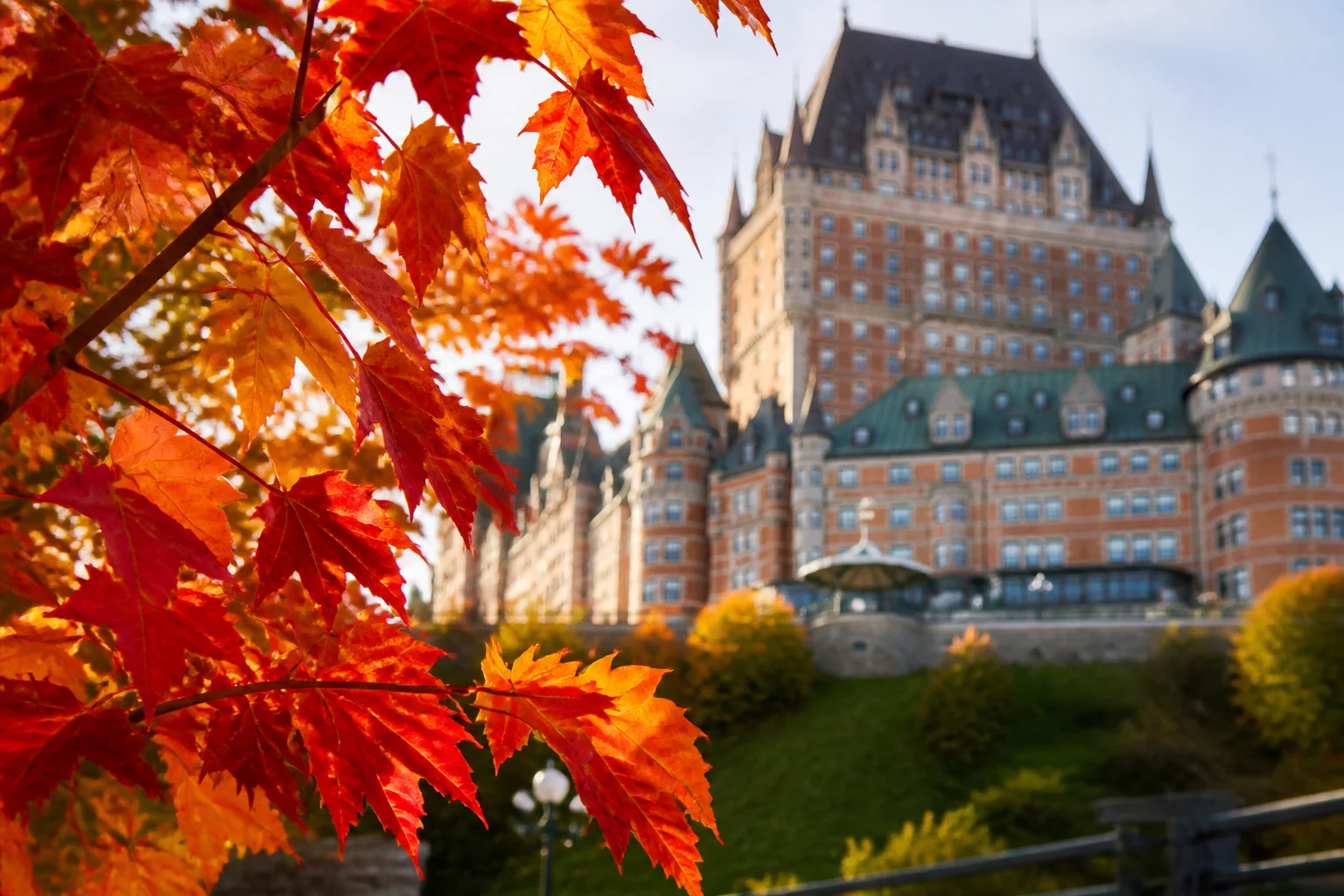
By September and October, early-autumn foliage transforms both urban parks and rural corridors into scenes of cinematic beauty. This shoulder season offers a refined balance: crisp, breathable air, luminous sunsets, and a return to calmer sidewalks after peak travel. It’s a splendid window for travelers who prefer immersive, slow itineraries—gallery openings, chef’s tasting menus, and spa rituals that emphasize restorative leisure. At the same time, packing lists should consider layering: morning chills can quickly warm to gentle afternoons, especially in provinces with microclimates near large lakes or coastal inlets. Guests who prioritize photography will appreciate the golden hours of autumn, when the interplay of sunlight and turning leaves elevates skyline views and garden terraces to memorable effect.
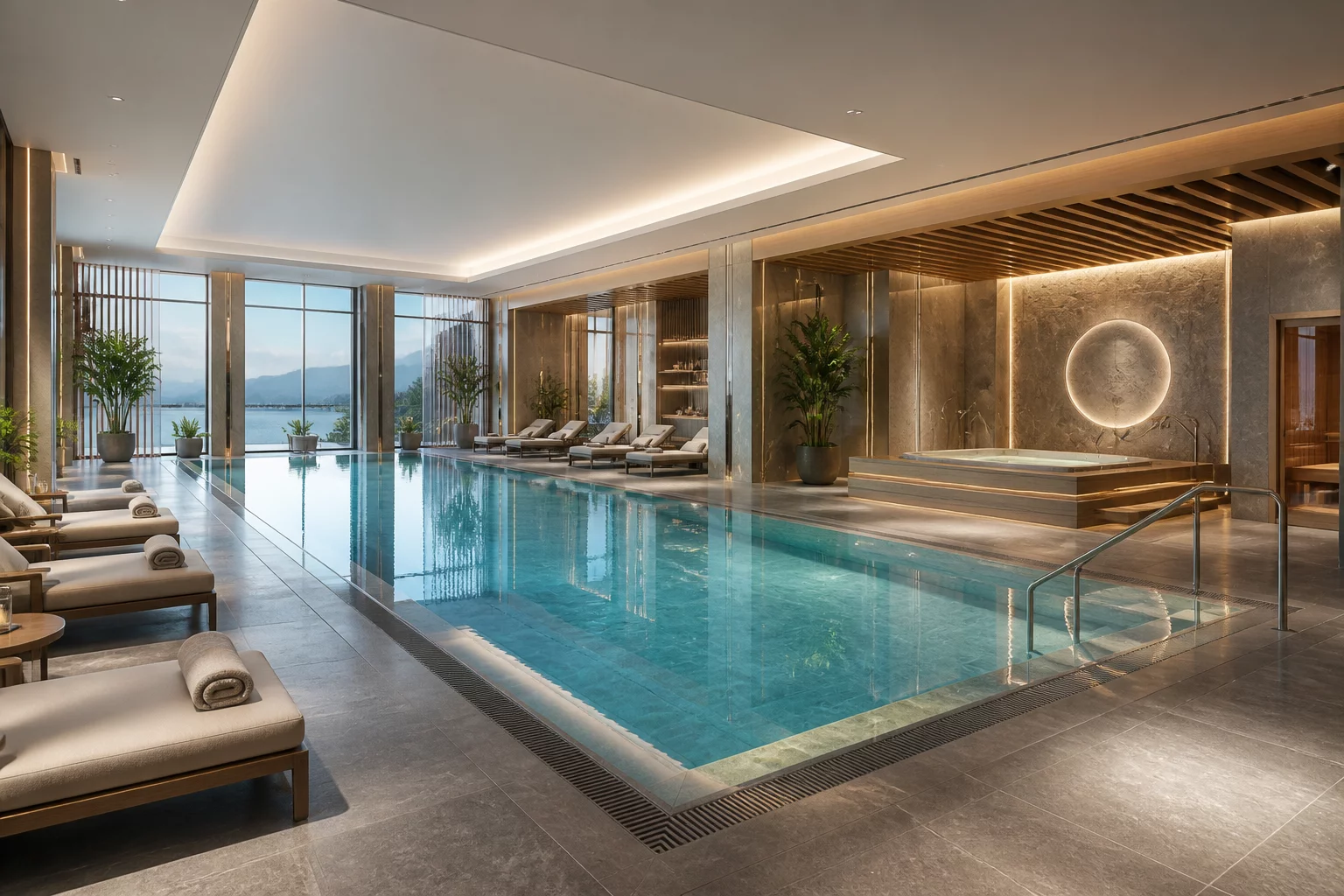
Winter, while less traveled by those focused on urban hospitality, rewards the prepared traveler with immaculate cultural programming and serene hotel experiences. Luxury properties frequently enhance wellness offerings—thermal suites, hydrotherapy circuits, and guided mindfulness—making winter an ideal season for restorative retreats. Culinary itineraries pivot to warming menus, showcasing Canadian terroir through rich broths, braised mains, and artful pâtisseries. Should you wish to embrace the cold, curated excursions—skating rinks framed by landmark architecture, alpine day-trips, or private museum tours—provide texture without sacrificing comfort. Across all seasons, the constant is foresight: secure reservations for signature restaurants, confirm spa treatments ahead of arrival, and monitor local events that may enrich or complicate urban mobility. With a measured, seasonal strategy, Canada’s premier destinations feel both expansive and intimately tailored to your pace.
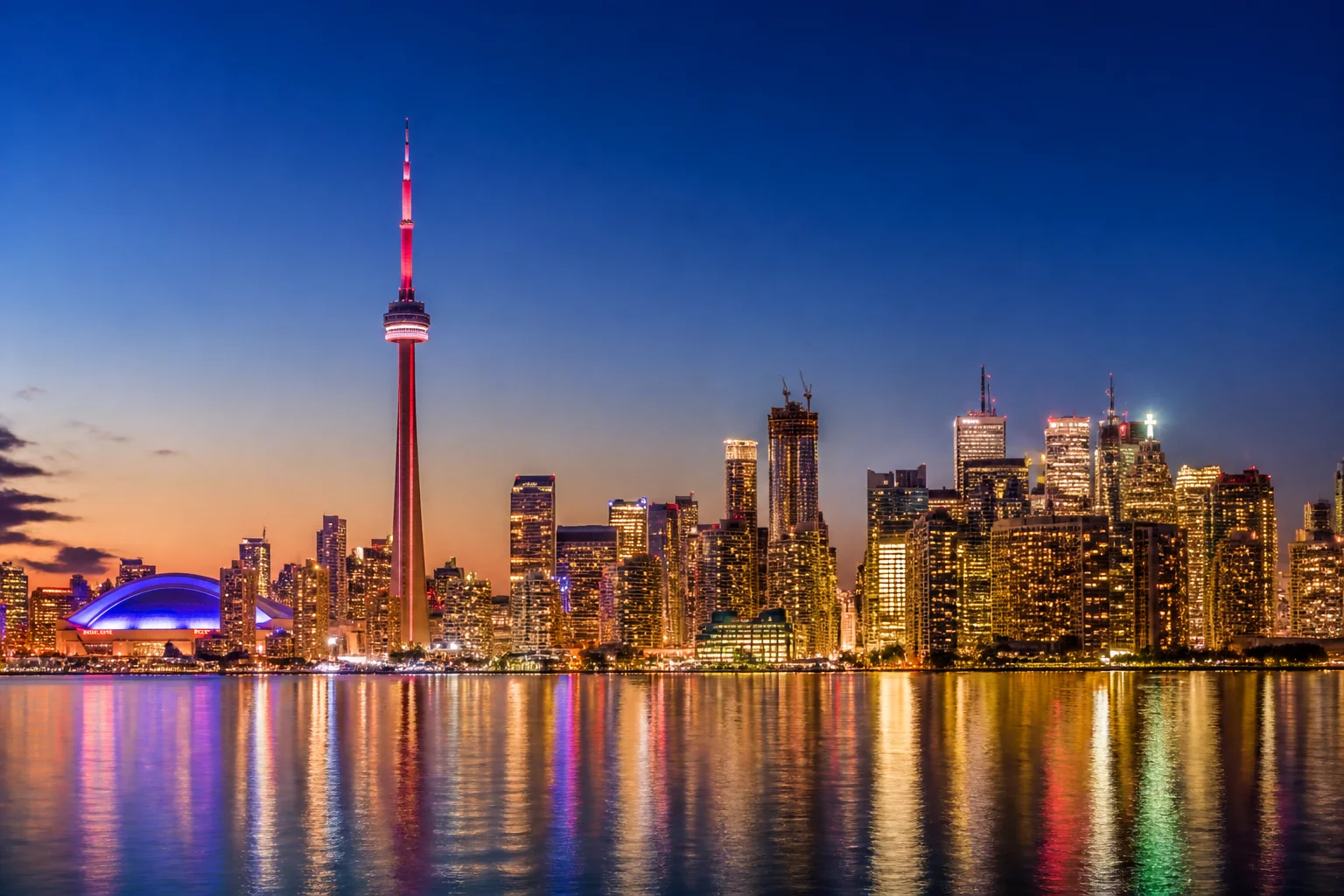
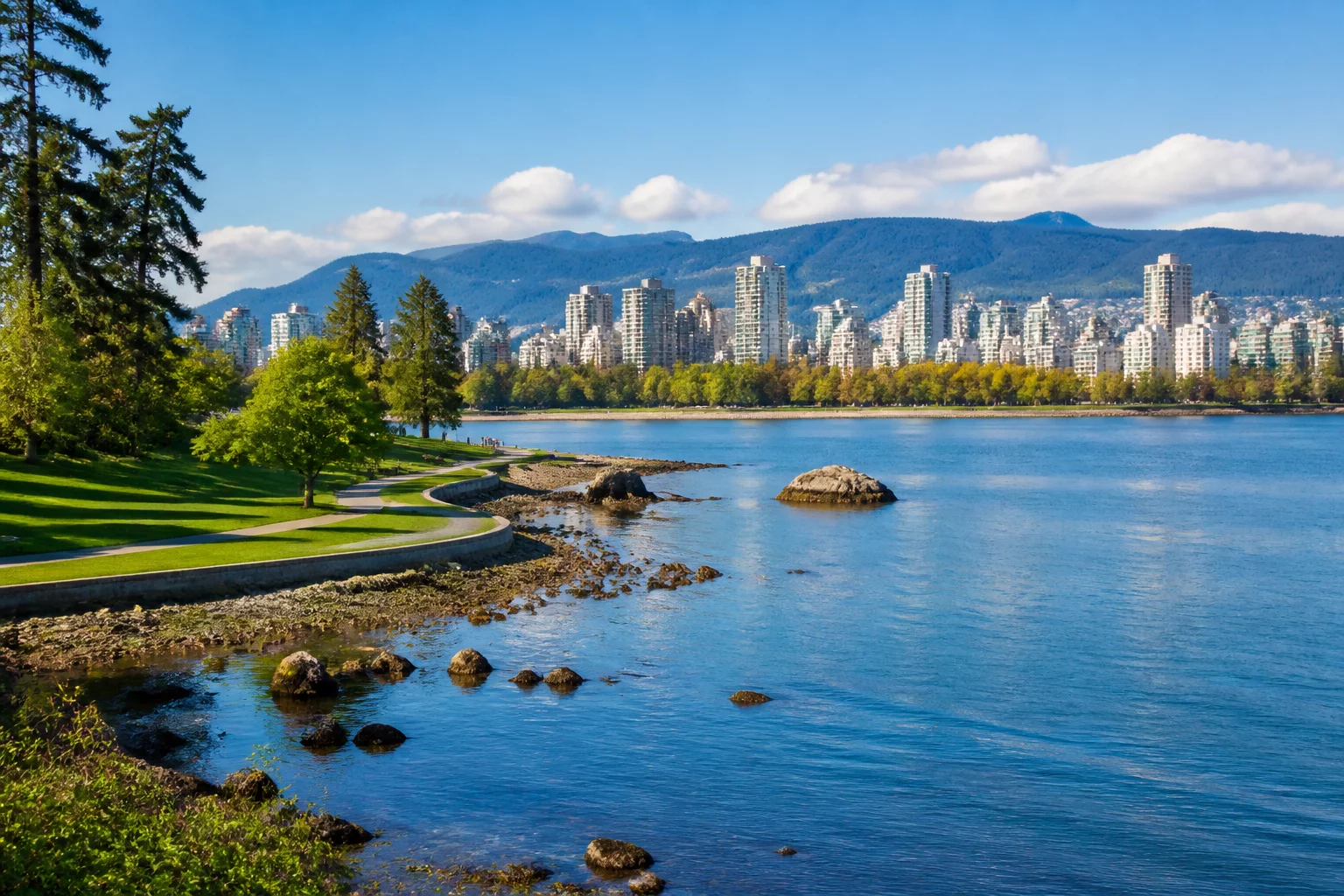
Canada’s major hubs invite a style of exploration that blends iconic landmarks with neighborhood nuance. Approach each city as a collection of distinct districts, each offering its own cadence of dining, design, and public space. In Vancouver, begin with the coastal calm of Stanley Park and the Seawall before moving inland to culinary enclaves that elevate seafood and Pacific Northwest produce. Concierge teams will steer you toward tasting menus that emphasize subtlety and provenance, while sommeliers curate pairings from British Columbia’s maturing wine regions. Toronto, meanwhile, reveals itself through contrast: modern architectural statements alongside historic markets and intimate galleries. A well-structured day might interleave a museum visit, a hidden espresso bar favored by locals, and a reservation at a chef-driven room where technique meets seasonal improvisation.
Ottawa rewards travelers who seek heritage crafted with clarity: Parliament Hill at sunrise, canal-side promenades, and boutique districts that balance craftsmanship with contemporary minimalism. Set aside time for curated tours—private docents, design walks, or culinary guides—whose narratives translate urban form into lived experience. In Pickering and neighboring lakeshore communities, water defines the atmosphere. Schedule blue-hour walks along marinas and plan meals that foreground lake fish, thoughtfully cured meats, and artisanal breads. The pleasure of these hubs is cumulative; one elegant moment leads to the next when distance and timing are managed with care. Consider transit options in advance—subway lines, light-rail corridors, and ride services—to minimize transfers at peak hours and preserve energy for the experiences that matter most.
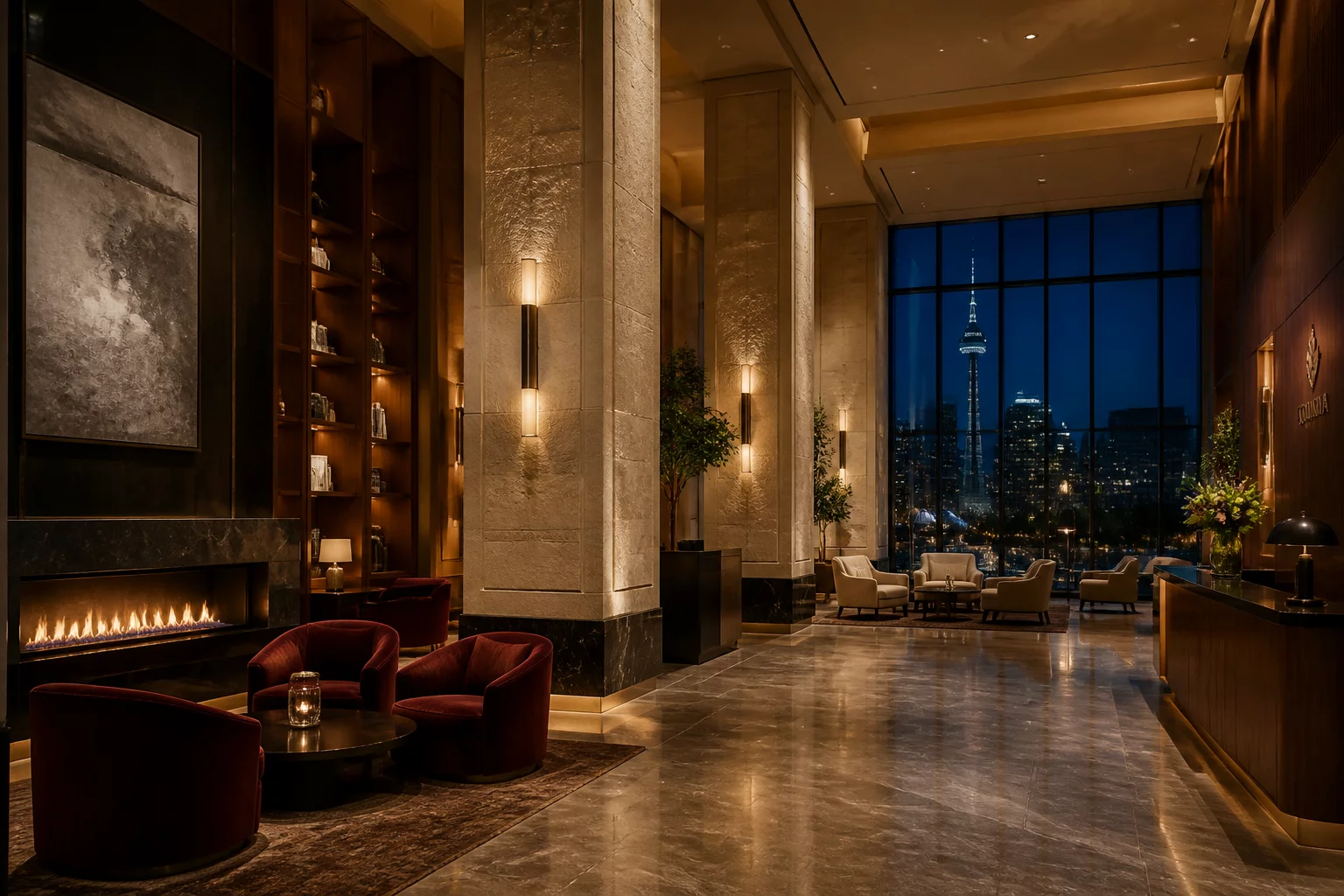
Successful local immersion also hinges on balancing headline attractions with spontaneous discovery. Ask hotel teams about weeknight cultural events—string quartets in heritage halls, independent cinema, or pop-up exhibitions—where seating can be arranged discreetly. If shopping is a priority, identify boutiques that champion Canadian designers: refined outerwear, small-batch leather goods, and timepieces with restrained elegance. Finally, give space to repose. An afternoon interlude in a sunlit lobby, a tea service composed with quiet artistry, or a late- evening stroll through a well-lit neighborhood can convert a full day into a complete one. These measured intermissions are the signature of a trip that feels generous rather than crowded.
Logistical excellence transforms a promising itinerary into a seamless one. Begin with flight timing and airport transfers: mid-day arrivals reduce the pressure of early check-in, and many premier properties will secure luggage handling so you can proceed directly to lunch or a spa appointment. For intercity travel, factor in Canada’s geographic scale—domestic flights can save substantial time over long drives. Within major hubs, public transit is efficient, but targeted car services are invaluable for cross-town dinner reservations or late-evening performances. Confirm each reservation—rooms, restaurants, and wellness treatments—two to three days prior to arrival, and keep digital copies accessible offline. If traveling with equipment—camera kits, formalwear, or seasonal outerwear—opt for garments that layer without bulk and a carry-on that accommodates a compact wardrobe rotation.
Financially, credit cards are widely accepted, yet small establishments and artisanal markets still reward the traveler who carries a modest float of local currency. Tipping conventions vary by province and service context; front-desk teams will advise on customary norms. Connectivity is straightforward: eSIMs and roaming plans provide stable data, but confirm coverage if venturing to outlying districts. Health and comfort are equally logistical matters. Hydration and light movement after long flights accelerate acclimation, while thermal circuits in spa areas reset circadian rhythms with welcome efficiency. Should you plan day-trips—wine country, mountain lookouts, or coastal drives—reserve with operators who prioritize pacing, vehicle comfort, and flexible return windows. The most memorable excursions are those that deliver scenery and serenity in equal measure.
Security and documentation should be kept elegantly simple. Store passports and essential cards in the in-room safe, carry photocopies separately, and rely on hotel printing for any last-minute confirmations. For photography and content capture, adopt a disciplined workflow: daily backups to cloud or solid-state storage, battery charging rituals, and lens care to preserve clarity. Finally, leave oxygen in your schedule. A late start the morning after a tasting menu, an unhurried hour in the sauna, or a sunset pause on a terrace can recalibrate the day in your favor. When logistics amplify calm rather than urgency, Canada’s hospitality landscape becomes not just accessible but profoundly accommodating.